
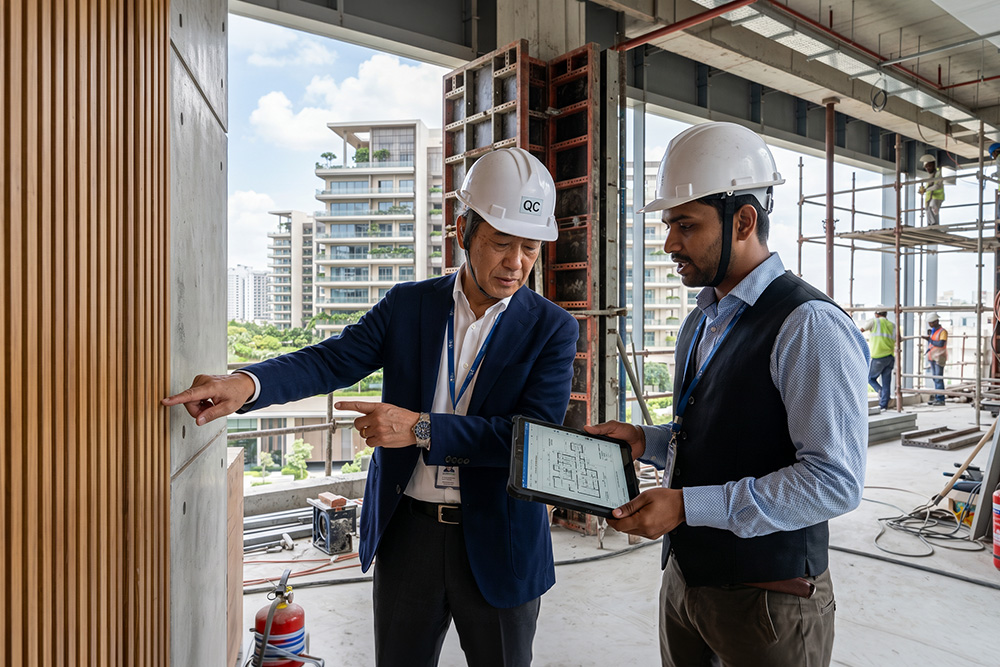
Luxury in real estate is often judged by what is visible. Finishes, lobbies, and amenities usually get the most attention. However, what truly defines long-term luxury is quality control. How a building is checked, verified, and corrected during construction plays a much bigger role in how it performs over time, especially in high-value markets offering luxury apartments in Gurgaon.
At Krisumi, quality control is not treated as a final inspection step. It is built into the entire construction process. The commitment to independent Japanese quality control reflects a deeper philosophy shaped by global standards and discipline. This approach is a key reason Krisumi residences are increasingly recognised among well-planned Japanese luxury apartments in India.
Projects such as Krisumi Waterfall Residences Gurgaon reflect this mindset clearly. Here, quality control is not a checklist completed at the end. It is a guiding principle that influences decisions from design intent to on-site execution.
What Is Independent Japanese Quality Control?
Independent quality control differs from standard in-house supervision. In many projects, checks are handled internally by the same teams responsible for execution. While this is common, it leaves room for oversight gaps and subjective decision-making.
Japanese quality control follows a zero-defect mindset. Processes are precise, structured, and repeated across multiple stages. Each check is documented and verified without assumptions. Independence plays a key role here. When quality control is handled by an external expert, decisions remain objective and consistent across the project.
This discipline is one reason Japanese luxury apartments are known globally for their reliability and long-term performance.
Why Krisumi Chose Nikken Sekkei Construction Management
Krisumi partnered with Nikken Sekkei Construction Management because of its global reputation in construction oversight and quality assurance. The firm is known for bringing Japanese discipline into complex international projects.
This partnership aligns naturally with Krisumi’s Indo-Japanese foundation. Quality control is not layered on after construction begins. It is embedded from the design stage and carried through execution. Every detail is checked against the original intent, ensuring that what is built matches what was planned.
This structured oversight strengthens trust and reinforces Krisumi’s focus on building homes that last.
How Japanese QC Is Implemented at Krisumi
Japanese quality control at Krisumi follows a multi-stage process. Inspections take place at key construction milestones rather than only at completion.
Each stage focuses on specific parameters. These include design compliance, material quality, structural accuracy, and workmanship standards. Materials are verified before use, and execution is reviewed continuously on site.
Regular monitoring and reporting help identify issues early. This reduces rework and ensures consistency across all units. For developments such as Krisumi Waterfall Residences Gurgaon, this approach helps maintain uniform build quality throughout the project.
What This Means for Homebuyers
For homebuyers, independent quality control translates into tangible benefits. Homes show better finish consistency and fewer visible defects. Structural elements and services function as intended from the start.
Lower defect rates also mean reduced maintenance concerns after possession. Buyers experience greater confidence during handover, knowing that their home has gone through multiple layers of inspection.
These factors matter to anyone considering luxury apartments in Gurgaon, especially buyers looking for long-term peace of mind rather than short-term appeal.
Quality That Protects Long-Term Value
Quality control plays a direct role in how a home ages over time. Homes built under close and consistent supervision tend to retain both their structural strength and visual appeal for longer periods.
Strong build quality reduces the need for frequent repairs and helps maintain everyday usability. Consistent standards also build long-term trust in the brand, which naturally supports resale value in the future.
This is where independent Japanese quality control becomes more than a process. It becomes a safeguard for long-term value.
Conclusion
Krisumi’s commitment to independent Japanese quality control sets its residences apart in a competitive market. By partnering with Nikken Sekkei Construction Management, quality is governed with discipline rather than convenience.
This approach reflects a belief that true luxury is built quietly, through consistency and care. For buyers exploring Japanese luxury apartments in India, Krisumi represents a standard where quality is not assumed but independently verified.
When quality is controlled with objectivity and precision, the result is homes that continue to perform, year after year.